
02 / 06Service
Arboricultural Impact Assessments for proposed development
Planning to build or renovate near trees? An Arboricultural Impact Assessment (AIA) looks at relevant trees and how proposed works may affect them. It can inform design decisions and support the tree information required for a development application.
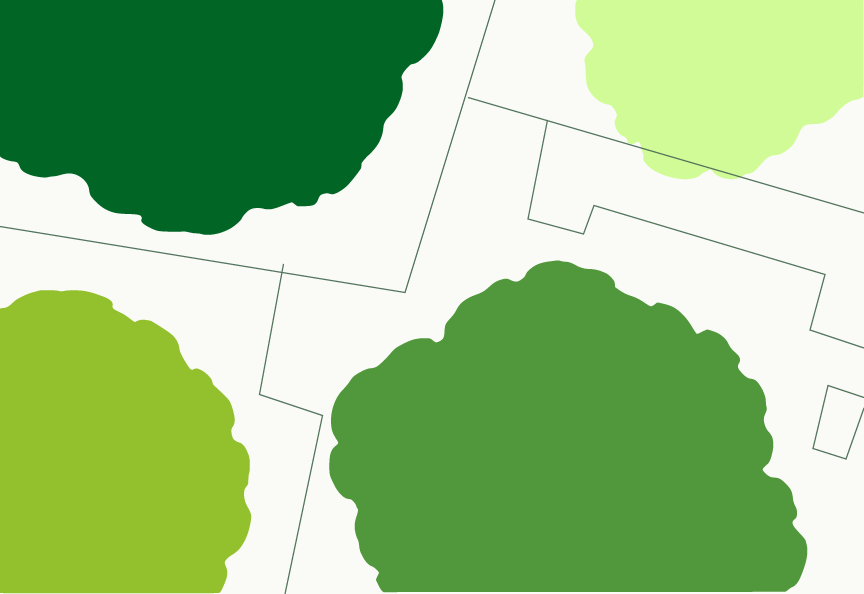
Identify tree constraints before the layout is fixed
Trees and their root systems can influence building footprints, access routes, excavation and the space available for works. Early discussion gives the design team an opportunity to consider these constraints alongside the project brief, rather than discovering them after detailed plans are complete.
What goes into the assessment?
- 01
Review the brief and drawings
Establish the proposal, supplied survey and reporting request.
- 02
Inspect and record relevant trees
Collect observations to inform the agreed assessment.
- 03
Assess the proposed impacts
Consider the relationship between trees, construction and options for retention.
- 04
Prepare the report
Document the findings for the agreed scope so the project team can act on them.
What you receive
The report brings the assessment findings together so you and your project team can understand the implications for the proposal. Depending on the agreed scope, it may include:
Tree schedule
Details and observations for the trees assessed.
Impact findings
How the proposed works relate to those trees and the options for retention.
Recommendations
Practical next steps and measures relevant to the proposal.
Tree protection documentation
A plan and method statement where included in the brief.
The scope is agreed for your project; not every report includes every item.
TreeAZ classification
Stuart uses the TreeAZ method to inform how trees are considered in the planning process. The classification is considered alongside site observations, the proposal and other relevant assessment information. The report explains how its findings relate to the project.
Questions
What should I send?
Start with the current survey, proposed drawings and any council request. If the plans are still evolving, tell us what stage you’re at.
Do I need to wait for final plans?
Early tree advice can help inform design decisions. The right reporting stage depends on the proposal and any council request.
What if the drawings change?
Tell us which drawings have changed before relying on an earlier assessment. A revised layout, excavation or access arrangement may affect the conclusions and protection recommendations, and the report may need review.
What is an arboricultural method statement?
It explains how agreed works should be approached to help protect retained trees. Depending on the project, it may address protection barriers, site access, storage and precautions around roots and trunks. Its scope should reflect the proposal and the information available. For advice while works are underway, see Project Arborist.
Related
- Arborist Reports
for other written assessments
- Project Arborist
for support during works
Next step
Working around trees? Start with a conversation.
Tell us what you’re planning or concerned about, and we can discuss the assessment or advice your project needs.